Did you know that people can cause disease by illness? It can suddenly prevent a person from working or, if a disability or illness has been a lifelong diagnosis, it can prevent a person from entering the work-force once he or she is an adult. Unfortunately for some, disabilities can lead to experiencing poverty over a longer period of time. Illness is causing poverty because, when someone is sick, you don’t have to go to work. Poverty can cause illness by a lack of food, shelter, and clothing. From 2006-2016, people who are 45-64 years, there are 23% in 2006, and there is 28% in 2016. In 2006, a third of food bank clients were 18 and under; in 2016 a third are 45 years and over. In 2017, there are 469,270 women and 293,530 men with disabilities. Seniors with disabilities who are living in poverty have fewer needs for aids, devices, and likely to have unmet needs for aids, devices, and prescription medication due to cost. At the same time, however, seniors with disabilities, and those with more severe disabilities in particular, still face a higher risk of living in poverty than seniors without disabilities. For the situation of seniors, this article does not dig into a number of critical issues that may impact outcomes for seniors with disabilities. People who lived in terrible conditions (under the poverty line) are orphans and poor people.
Go To This Link and Check This Out! https://www150.statcan.gc.ca/n1/pub/89-654-x/89-654-x2018002-eng.htm
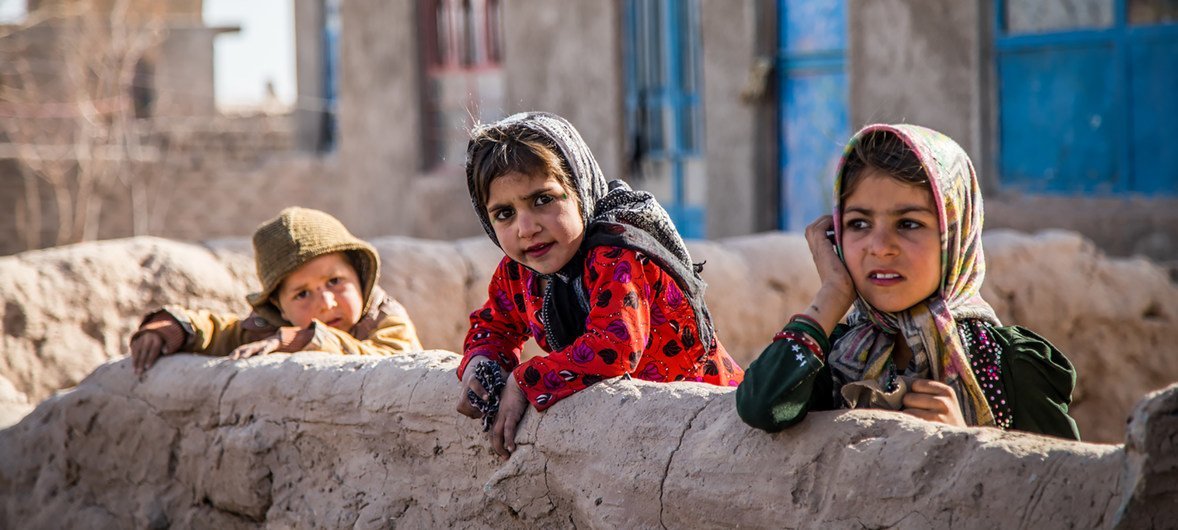
Go To This Link and Check This Out! https://www150.statcan.gc.ca/n1/pub/89-654-x/89-654-x2018002-eng.htm

Comments
Post a Comment